Greenville Transitions Sober Living

About

Why Burnout and Addiction in Men Are Increasing Together

One of the most noticeable trends happening right now is the growing connection between burnout and addiction in men. More professionals, executives, entrepreneurs, and high functioning individuals are reaching a point where stress is no longer temporary. Instead, it becomes a constant state of pressure that slowly affects sleep, decision making, emotional regulation, and overall stability.

This shift is happening across industries and lifestyles. Men are managing increasing workloads, constant connectivity, financial pressure, and personal expectations while trying to maintain the appearance that everything is under control. Over time, many begin looking for ways to shut that pressure off, even temporarily.

Burnout and addiction in men often become connected through this cycle. Substances can begin to function as a form of relief, routine, or escape from constant mental pressure. What begins as stress management gradually becomes dependence on a pattern that feels difficult to interrupt.

At Greenville Transitions, we are seeing more men enter recovery not because their lives have collapsed, but because they recognize that the pace and pressure they are operating under is no longer sustainable.

Why High Functioning Men Often Miss the Warning Signs

Burnout and addiction in men are often difficult to recognize because many men continue functioning at a high level while struggling internally. Work still gets done. Responsibilities are still managed. Outwardly, life may appear successful and stable.

This ability to continue performing creates a dangerous misconception. Men often assume that if they are still functioning, then the problem cannot be serious enough to require support. This delays action and allows patterns to become more ingrained over time.

The warning signs are usually subtle in the beginning. Sleep becomes inconsistent. Stress feels constant. Emotional exhaustion increases. Substance use becomes more routine and less occasional. Over time, maintaining consistency begins to require more effort than it once did.

Burnout and addiction in men often develop quietly before they become visible externally.

The Role of Constant Pressure and Overstimulation

Modern life has created an environment where many men never fully disconnect. Phones remain active at all hours. Work follows people home. Expectations continue increasing while opportunities to reset become limited.

This constant stimulation plays a significant role in burnout and addiction in men. The nervous system remains activated for extended periods of time, which increases stress and reduces emotional resilience. Eventually, many individuals begin looking for relief anywhere they can find it.

Substances often become tied to routines around stress reduction. Drinking to unwind, using substances to sleep, or relying on external coping mechanisms becomes normalized. The issue is not simply the substance itself. It is the growing inability to regulate stress without it.

Why Burnout Changes Decision Making

Burnout affects more than energy levels. It impacts focus, judgment, emotional control, and long term decision making. Men who are burned out often begin operating reactively instead of intentionally.

This is one reason burnout and addiction in men are so closely connected. When someone is mentally exhausted, immediate relief becomes more appealing than long term stability. Short term coping mechanisms begin replacing sustainable routines.

Over time, this creates a cycle where stress leads to substance use, and substance use increases emotional and physical instability. Without intervention, the cycle becomes increasingly difficult to break.

Why Traditional “Push Through It” Mentality Stops Working

Many men are conditioned to believe that the solution to stress is simply pushing harder. Work more. Stay focused. Ignore exhaustion and keep performing.

This mindset may work temporarily, but burnout and addiction in men often develop when recovery and restoration are ignored for too long. Eventually, the system being relied on to maintain control starts to break down.

At this stage, many men find themselves feeling disconnected, emotionally numb, or constantly overwhelmed even while appearing successful externally. The strategies that once worked begin losing effectiveness.

This is often the point where structure and environment become necessary instead of optional.

The Difference Between Temporary Relief and Real Stability

One of the biggest challenges with burnout and addiction in men is that temporary relief can feel effective in the moment. Alcohol, substances, isolation, or avoidance may reduce stress briefly, which reinforces the behavior.

The problem is that relief is not the same as recovery. Temporary coping mechanisms do not resolve the underlying exhaustion or instability. In many cases, they increase it over time.

Real stability comes from structure, routine, accountability, and environment. These elements create consistency instead of short bursts of relief followed by increased stress.

This is where sober living creates measurable value.

How Structured Sober Living Helps Men Recover From Burnout

Structured sober living addresses many of the conditions contributing to burnout and addiction in men. It creates a consistent environment where stress can begin decreasing and healthier routines can develop.

At Greenville Transitions, sober living in Greenville SC is designed to provide that structure while still allowing men to engage with real life responsibilities. This balance is critical because recovery cannot exist separately from life forever.

Men begin rebuilding routine through consistency rather than intensity. Sleep improves. Emotional regulation stabilizes. Decision making becomes clearer. Most importantly, the nervous system finally begins operating from a calmer and more sustainable baseline.

Why Environment Matters So Much

Environment directly impacts stress levels and behavior. Many men attempting recovery remain in environments that constantly reinforce pressure, overstimulation, or old routines.

Burnout and addiction in men are difficult to address when the surrounding environment never changes. This is one reason sober living is becoming increasingly important in long term recovery planning.

A structured environment creates separation from constant pressure and allows new patterns to develop without immediate interference. This makes consistency easier to maintain over time.

At Greenville Transitions, the environment is intentionally designed to support focus, stability, and accountability rather than chaos and unpredictability.

What Men Begin to Notice During Recovery From Burnout

As burnout decreases and consistency improves, many men begin noticing significant internal changes that they had not experienced in years.

  • More stable sleep and energy levels
  • Clearer thinking and improved focus
  • Reduced emotional reactivity
  • Greater patience and presence in relationships
  • Increased confidence through routine and follow through

These shifts often happen gradually, but they create a much stronger foundation for long term recovery and overall quality of life.

Why Burnout and Addiction in Men Require More Than Willpower

Willpower alone rarely resolves burnout. In fact, relying on willpower often increases exhaustion because it requires constant mental effort. Burnout and addiction in men usually require a system that reduces pressure rather than adding to it.

Structured sober living provides that system. Instead of asking men to constantly force consistency, it creates an environment where consistency becomes easier and more natural over time.

This distinction matters because sustainable recovery is not built on constant struggle. It is built on routines and environments that support healthier behavior automatically.

The Shift Happening in Recovery Right Now

One of the biggest trends in recovery is the growing recognition that emotional exhaustion and chronic stress are major drivers of substance use for many men. More individuals are beginning to seek support before reaching a complete crisis point.

This shift is important because it reframes recovery as a proactive decision rather than a last resort. Men are beginning to recognize that maintaining long term stability requires more than simply enduring pressure indefinitely.

Burnout and addiction in men are increasingly being viewed together because both are tied to how someone manages stress, structure, and emotional regulation over time.

A More Sustainable Way Forward

If you recognize signs of burnout and addiction in men in yourself or someone you care about, it is worth paying attention to early. The goal does not need to be waiting for life to fall apart before making a change.

At Greenville Transitions, sober living in Greenville SC provides structure, accountability, and an environment designed to support long term stability. Recovery is not just about removing substances. It is about building a lifestyle that can actually be maintained under real world pressure.

Confidential Help Is Available
Speak With Admissions Today
Start Your Recovery Journey with clarity and structure


About Greenville Transitions Sober Living

Greenville Transitions Sober Living was created to provide individuals with a structured, supportive environment where recovery can take root and grow into long-term stability. We understand that addiction and mental health challenges affect more than just behavior, they impact relationships, confidence, and the ability to navigate everyday life. Many individuals leave treatment or attempt recovery on their own without the structure needed to maintain progress. Our goal is to bridge that gap by offering a place where individuals can continue building on the work they have already started.

At Greenville Transitions Sober Living, we believe recovery is not just about removing substances, it is about rebuilding a life that feels stable, purposeful, and sustainable. Our environment is designed to support personal growth while encouraging accountability, responsibility, and connection. By combining structure with support, we help individuals develop the habits and mindset needed for long term success.

Many of the men who come to us have already completed residential treatment at high-end facilities. They are not starting over. They are continuing forward. What they need now is an environment that supports accountability, privacy, and real-world integration without sacrificing comfort or dignity.

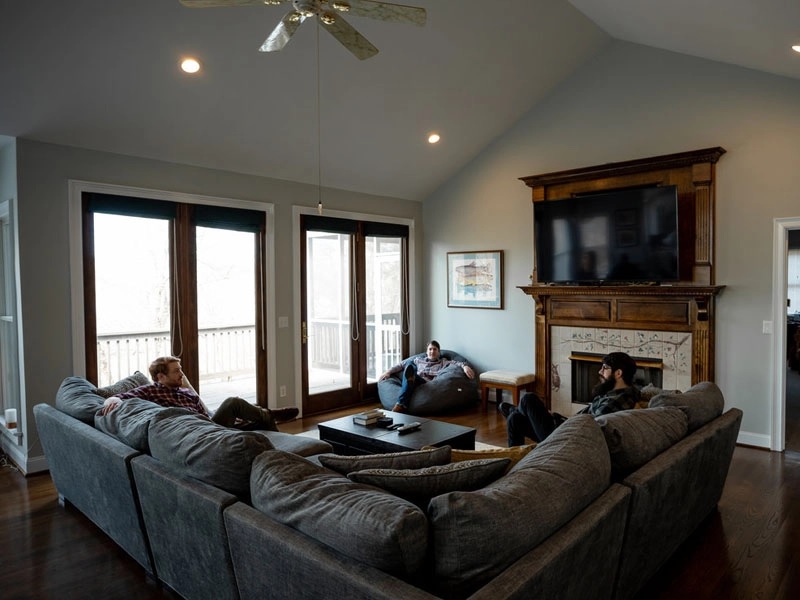
our facility

A Structured Environment for Real Life Change

Recovery does not happen in isolation. It happens through consistent daily choices, supportive relationships, and a clear sense of direction. Greenville Transitions Sober Living provides a structured environment where individuals can focus on rebuilding their routines and responsibilities while maintaining independence. This balance allows residents to gradually transition back into everyday life without losing the support they need.

Our program emphasizes accountability and consistency. Residents are expected to participate in daily routines, maintain responsibilities, and engage in activities that support their recovery. These expectations are not designed to restrict individuals, but to help them build stability and confidence over time. Structure becomes the foundation that allows individuals to begin trusting themselves again. We also recognize that every individual’s journey is different. While structure is important, flexibility is equally valuable in helping residents move forward at a pace that feels realistic. Our team works closely with each individual to ensure they are supported in a way that reflects their personal goals and challenges.

A Community That Supports Growth and Accountability

One of the most important aspects of recovery is connection. Many individuals struggling with addiction experience isolation, which can make it more difficult to maintain progress. At Greenville Transitions Sober Living, residents become part of a community where others are working toward similar goals. This shared experience creates an environment of understanding, encouragement, and accountability.

Living alongside others in recovery helps individuals feel less alone in their journey. Peer relationships often provide motivation, perspective, and support during challenging moments. These connections also help residents develop communication skills and healthier relationship patterns that carry into their lives outside of sober living. Accountability within the community plays an important role in maintaining structure. Residents support one another while also holding each other responsible for their commitments. This balance helps individuals stay focused on their goals while building confidence in their ability to maintain recovery.

Supporting Long Term Recovery Beyond Treatment

Many individuals enter sober living after completing a higher level of care such as residential treatment or outpatient programs. Others may need a structured environment to help them begin making changes in their lives. Regardless of where someone is in their journey, Greenville Transitions Sober Living provides the stability needed to continue moving forward.

Our approach focuses on helping residents develop practical life skills that support independence. This includes building routines, managing responsibilities, improving communication, and learning how to navigate challenges without returning to old patterns. Recovery becomes something that is integrated into daily life rather than something separate from it. We also encourage residents to stay connected to additional support systems such as therapy, outpatient programs, and recovery communities. Combining these resources with structured living helps individuals build a strong foundation for long term success.

A Personalized Approach to Recovery

No two recovery journeys look the same. Each individual arrives with different experiences, challenges, and goals. At Greenville Transitions Sober Living, we take a personalized approach that allows each resident to receive the support they need to move forward.

Our team works closely with residents to understand their situation and help them create a plan that aligns with their goals. This may include guidance around structure, accountability, and connection to additional resources that support recovery. By focusing on the individual rather than a one size fits all model, we create an environment where real progress can happen. This personalized approach also helps residents build confidence in their ability to make decisions and take ownership of their recovery. Over time, individuals begin to develop a stronger sense of independence while maintaining the support they need.

Begin Your Next Chapter

Taking the next step in recovery can feel uncertain, but it is also an opportunity for growth and change. Greenville Transitions Sober Living provides a place where individuals can rebuild stability, strengthen their confidence, and begin creating a life that feels meaningful and sustainable.

If you or someone you care about is looking for a structured and supportive recovery environment in Greenville, South Carolina, our team is here to help. Contact Greenville Transitions Sober Living today to learn more about our program and how we can support the next step in recovery.